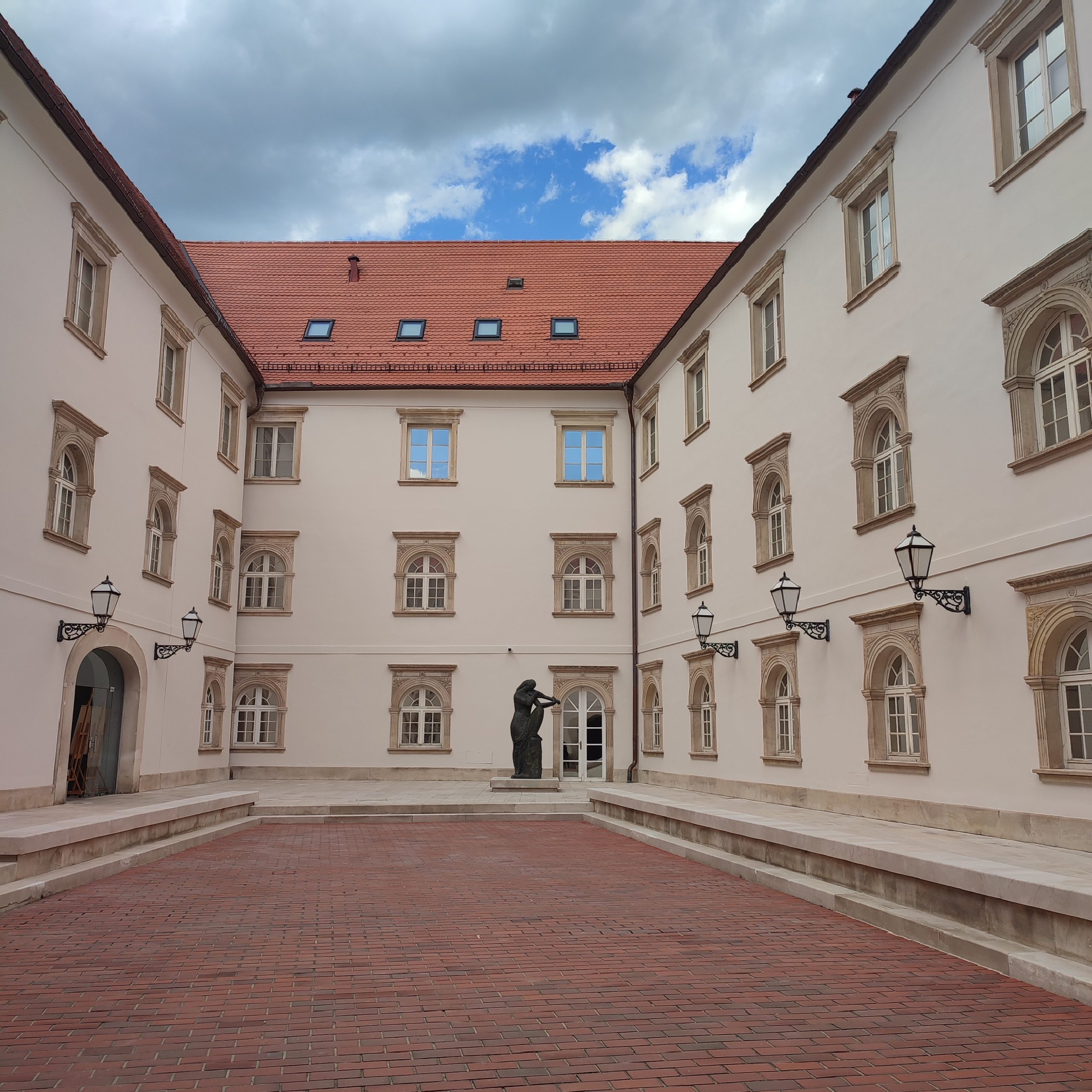
Klovićevi dvori Gallery, Jezuitski trg 4
 Tuesday - Sunday, 11:00 - 19:00
7. October 2026.
Tuesday - Sunday, 11:00 - 19:00
7. October 2026.
17 October 2026: 11:00–12:30
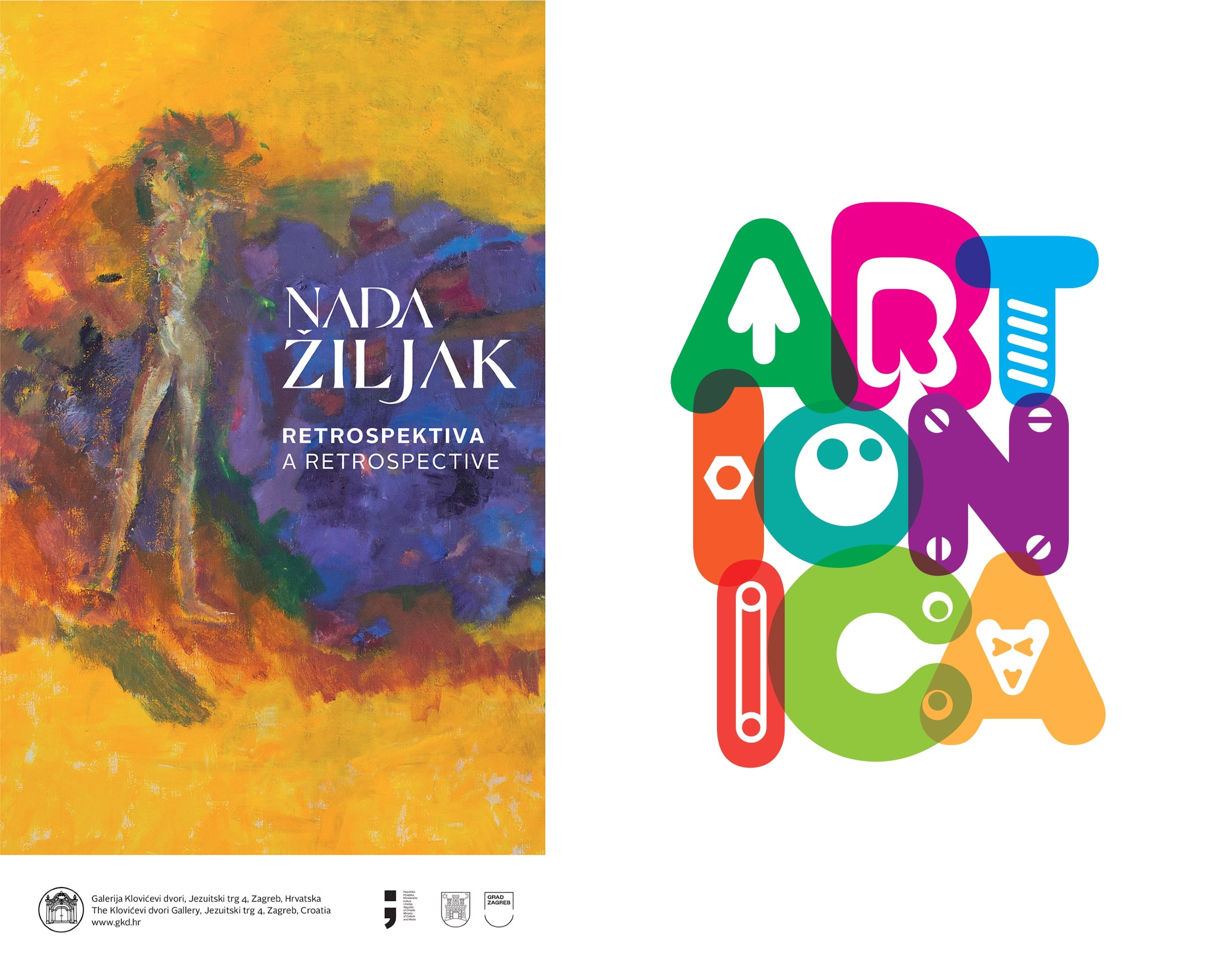
Nada Žiljak: “I would like to give beauty to myself and to others”
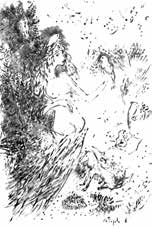
Nada Žiljak is the daughter of the renowned Croatian artist Albert Kinert, a master of drawing and a professor at the Academy of Fine Arts, whose studio was where her artistic development began. Nada’s childhood inevitably unfolded amidst the smell of turpentine, the blackness of ink, and contact with graphic art tools. Her innate desire and need to express herself through drawings and paintings, through combinations of lines and surfaces, point to an artist who is, first and foremost, also an illustrator, because each of her works refers to an event, a story, a narrative, or an imagined continuation.
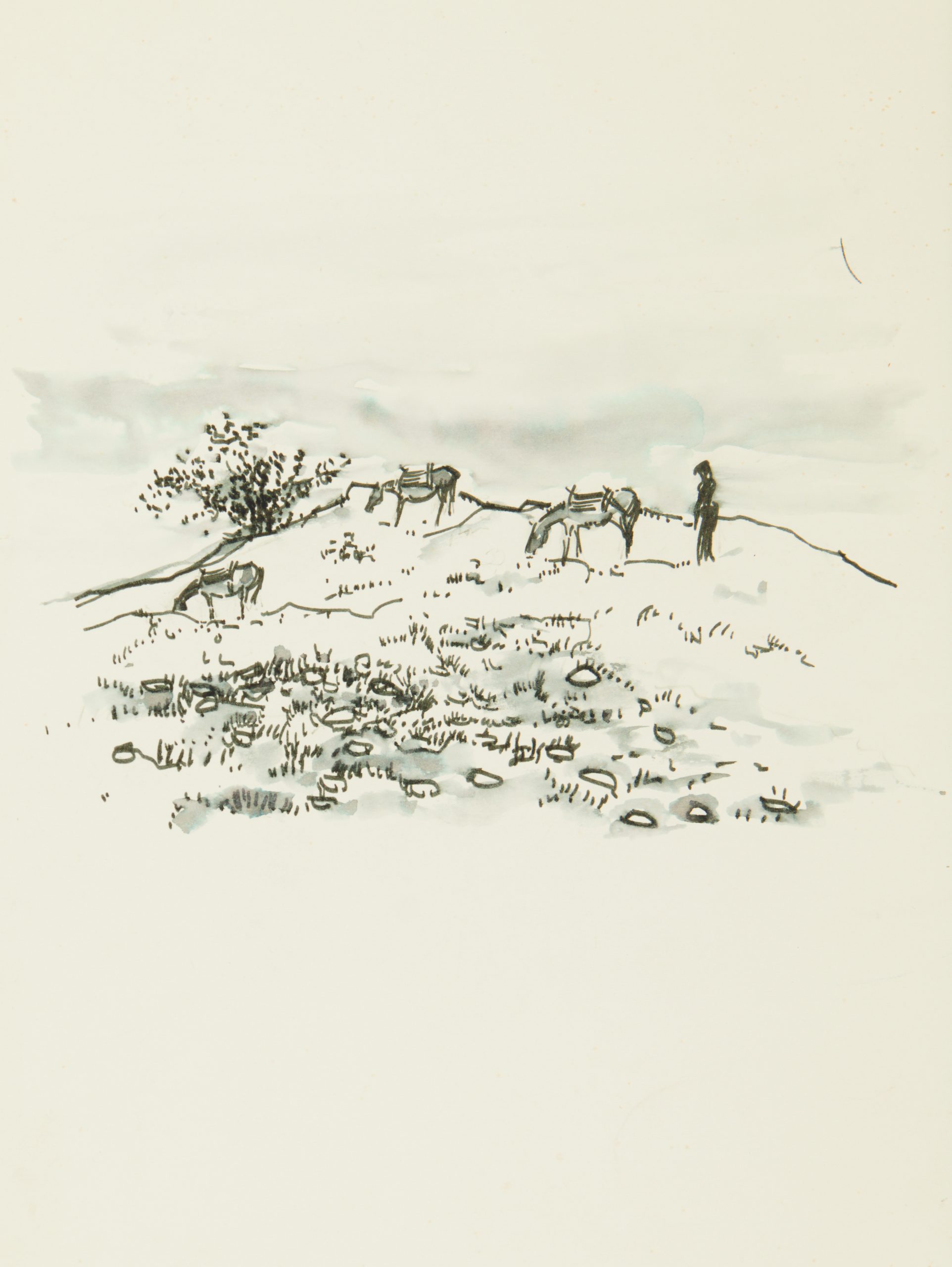
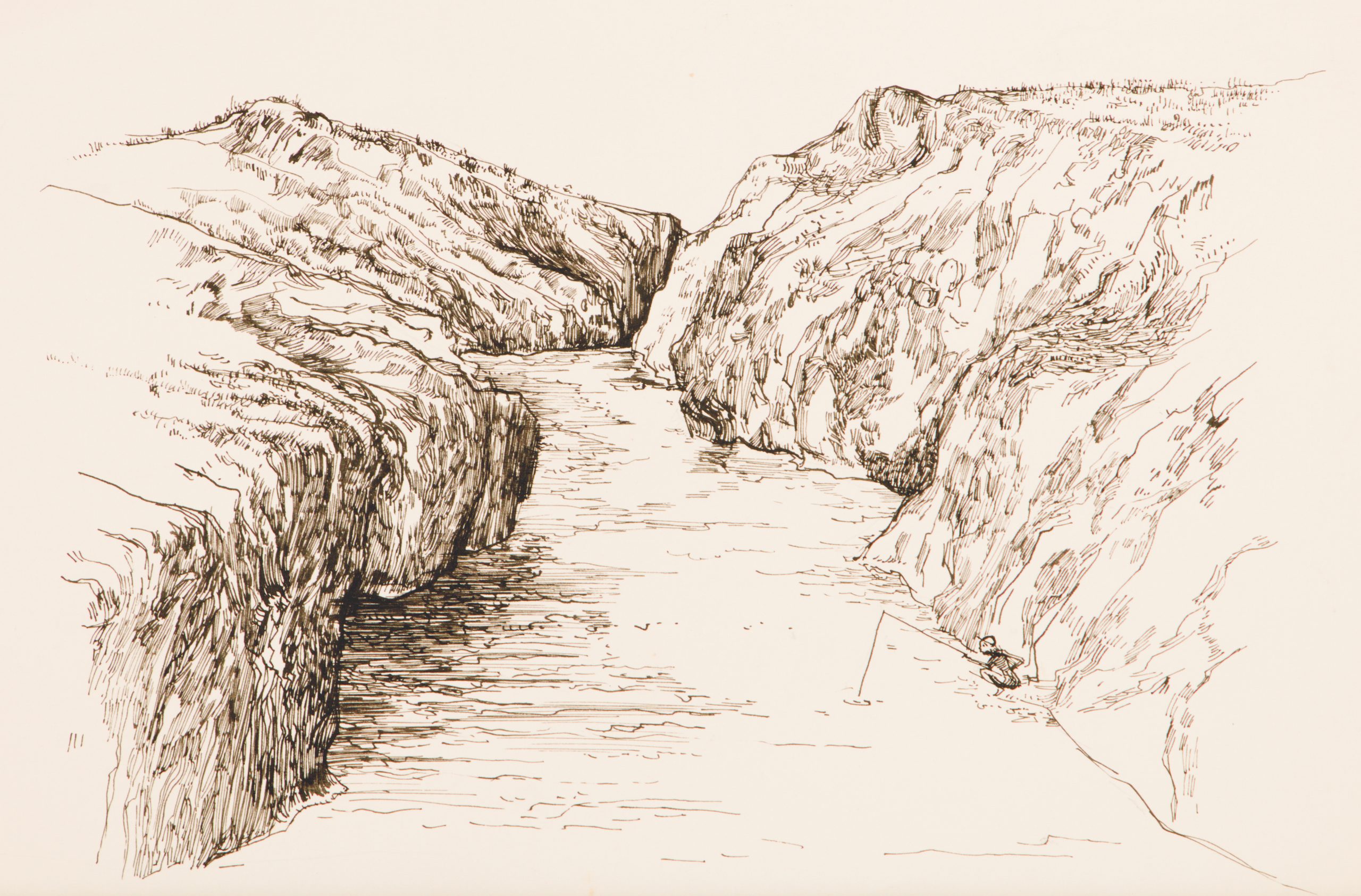
The motifs present in her early drawings are nature and landscapes, in which we often see plants, animals, and people, that real world, or imagined landscapes in which every creature, or even every trace of ink made by a pen, becomes a unique and unrepeatable artistic expression. In this first workshop, we will focus precisely on these early works by the artist.
TASK: Let us discover the possibilities of the line at the moment of creation, following our thoughts, feelings, and current mood. Let the motifs of the landscapes in the drawings mentioned above inspire us: in one, we see animals grazing, while in another, a person fishing by a river. What would we like to see or do while on an outing in nature?
24 October 2026: 11:00–12:30
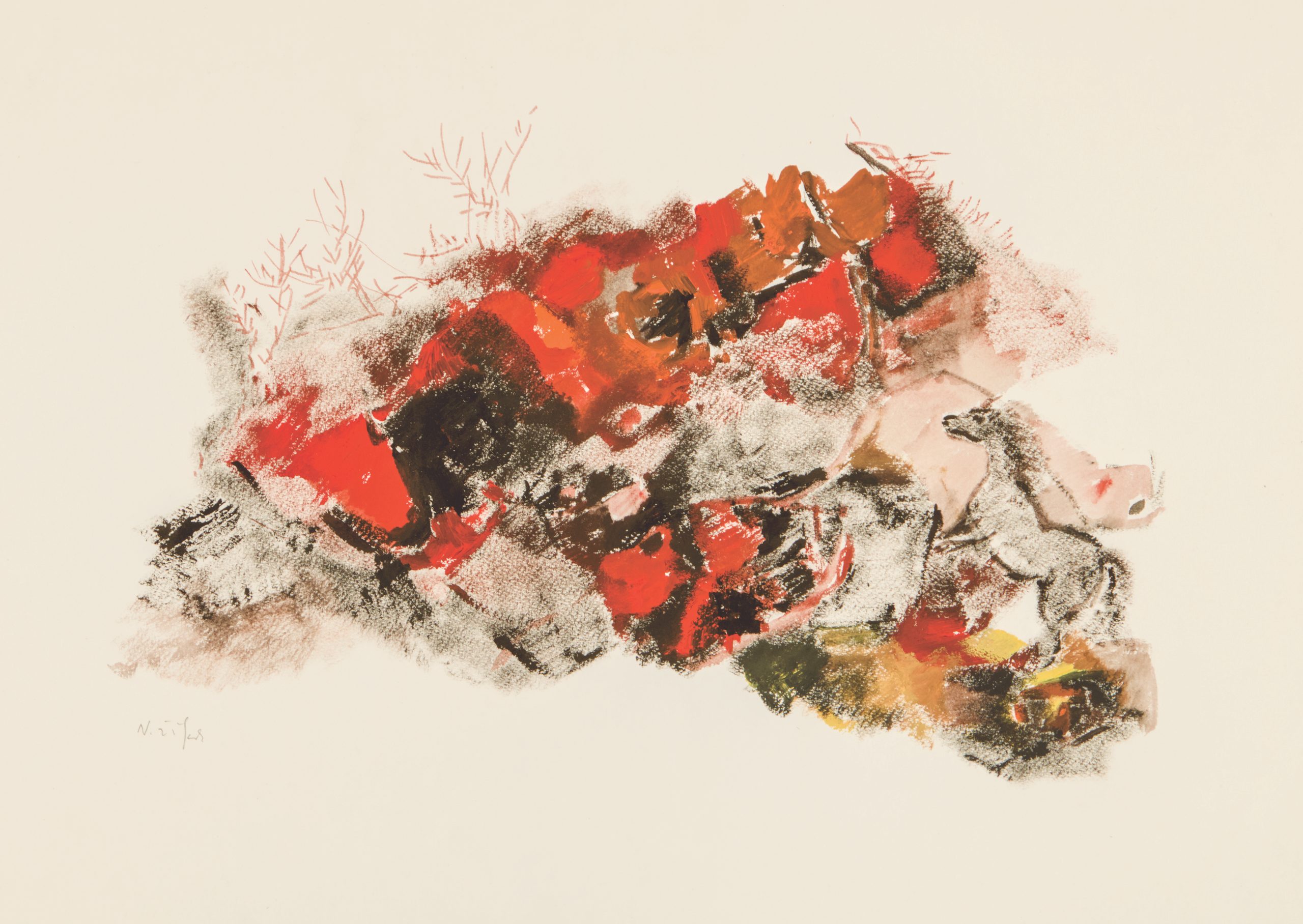
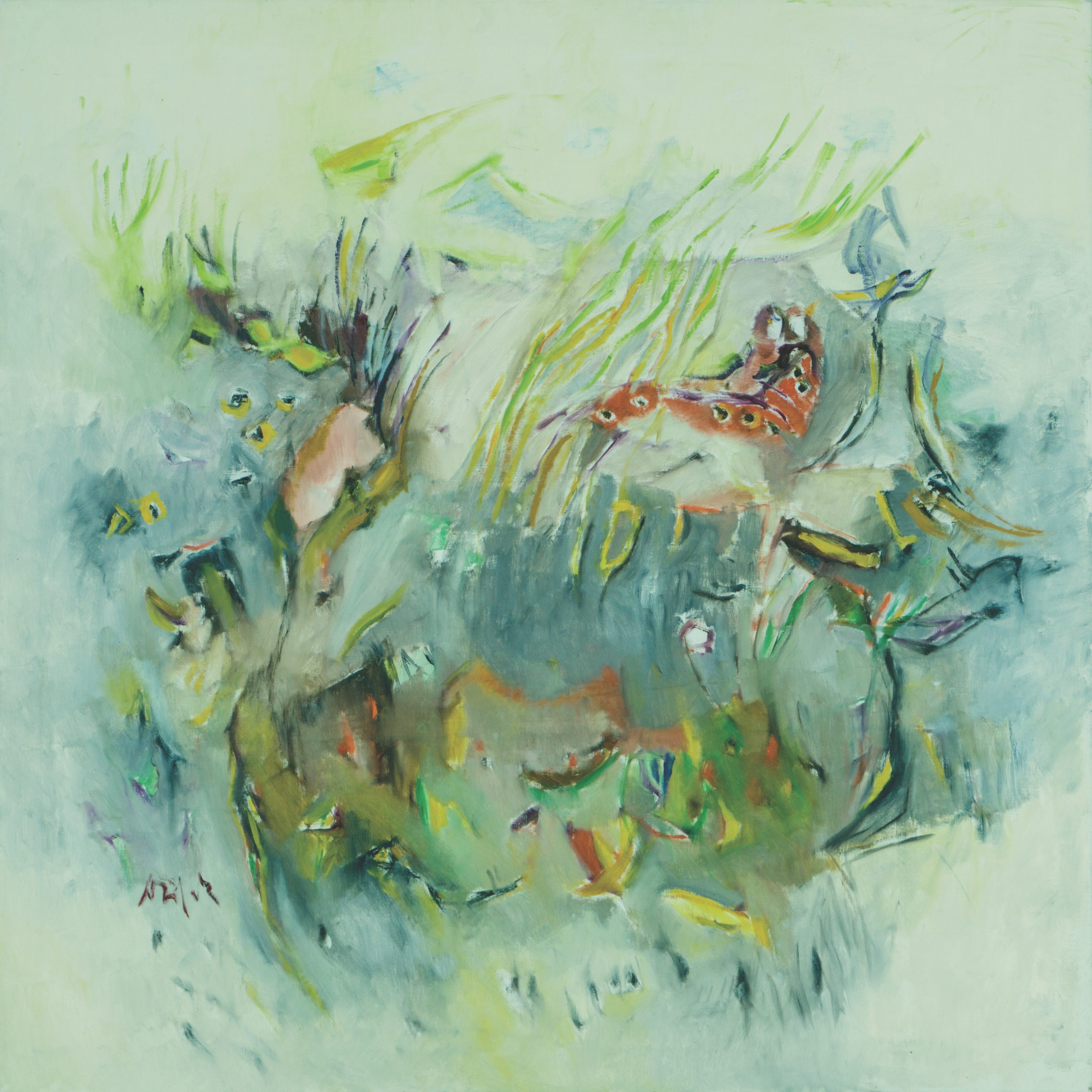
Nada Žiljak paints small scenes from everyday life that are not actual events, but instead carry a complex layering of her inner intellectual and imaginative life. The 1980s were marked by a search for balance between the figurative and the abstract, between line and colour, while the 1990s brought an even freer combination of these elements, with line and colour coming together in a perfect dialogue. The writer Branislav Glumac described Nada’s paintings from this period as “the subtle weaving of fine lines within colour.” These “little things” point to ideas of friendship and love, conversation, the beauty of a tree, the excitement of a bird in flight, the strength of a horse, or the loyalty embodied in the form of a dog… Elena Cvetkova (art historian and art critic) wrote that the canvases look “as if the scent of grass, the rustling of the treetops, and the voices of people and birds had been painted.”
TASK: Paint yourself and a friend in a park while playing, talking, or simply walking, rollerblading, or riding a bicycle. We will call the painting “Play”, because you can see paintings with this title in the exhibition as well.
7 November 2026: 11:00–12:30
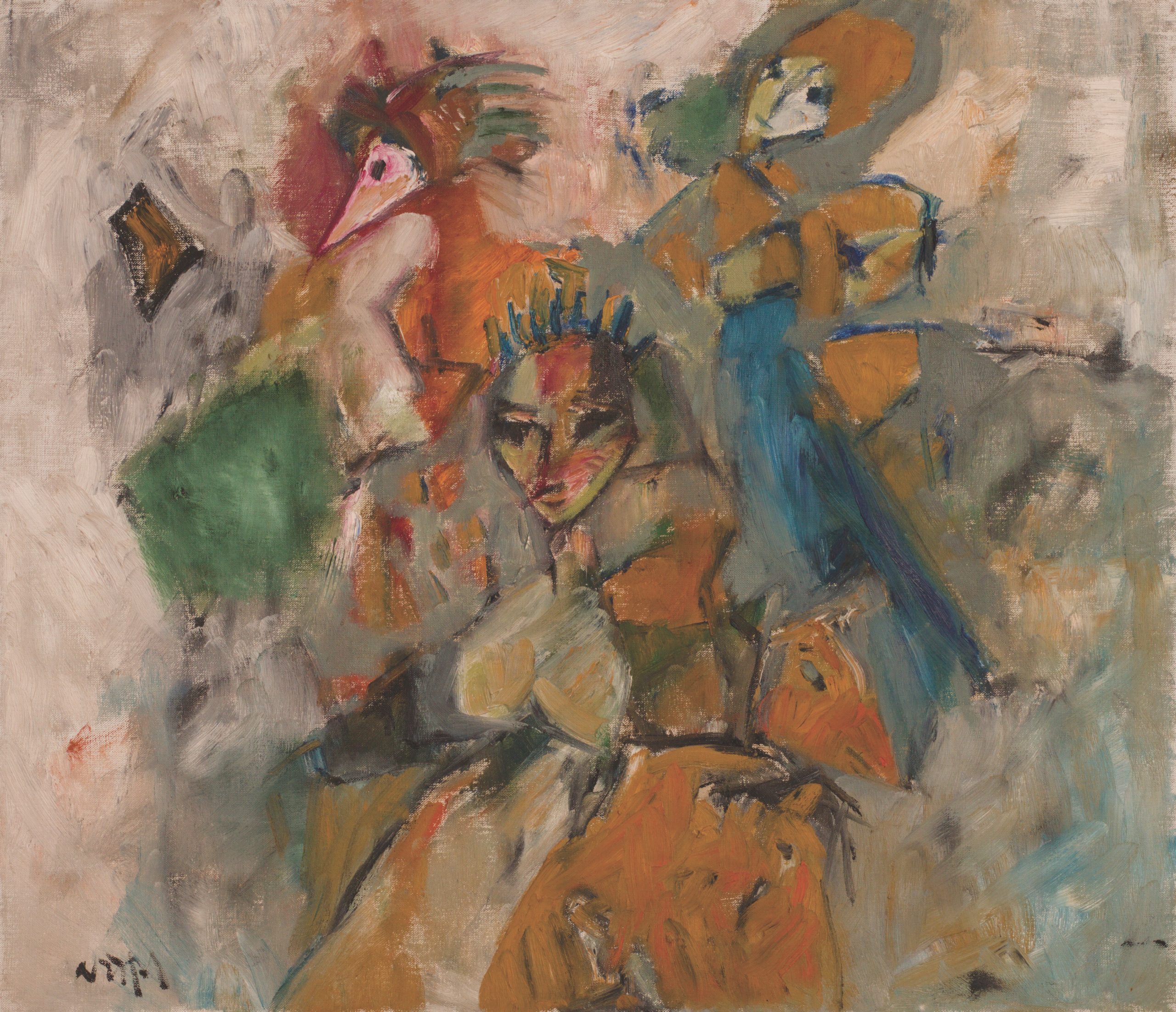
At the beginning of the new century, Nada Žiljak turned her attention to interiors and the human figure. Two renowned series, Ateliers and Masks, were created between 2001 and 2004. In these series, colour establishes the fundamental atmosphere of the painting: at times warm, at times bright, at times dark, while ultimately colour provides a sense of fulfilment and beauty.
Colours appear in strokes and surfaces, sometimes square, denser or sparser, pure or covered, always particularly structured. Meanwhile, the black contour drawing appears more as a sketch than as the skeleton of the painting, yet remains the key to understanding the image and its subject. Calm surfaces alternate with bursts of colour.
TASK: Seeing people in carnival costumes walking in a parade or through the streets of a city always makes us happy in some way; we become excited and curious about who is hiding beneath the mask. Imagine that you are celebrating Carnival in Rijeka and taking part in a children’s carnival parade. What kind of mask would you wear? We will use a mixed-media technique.
14 November 2026: 11:00–12:30
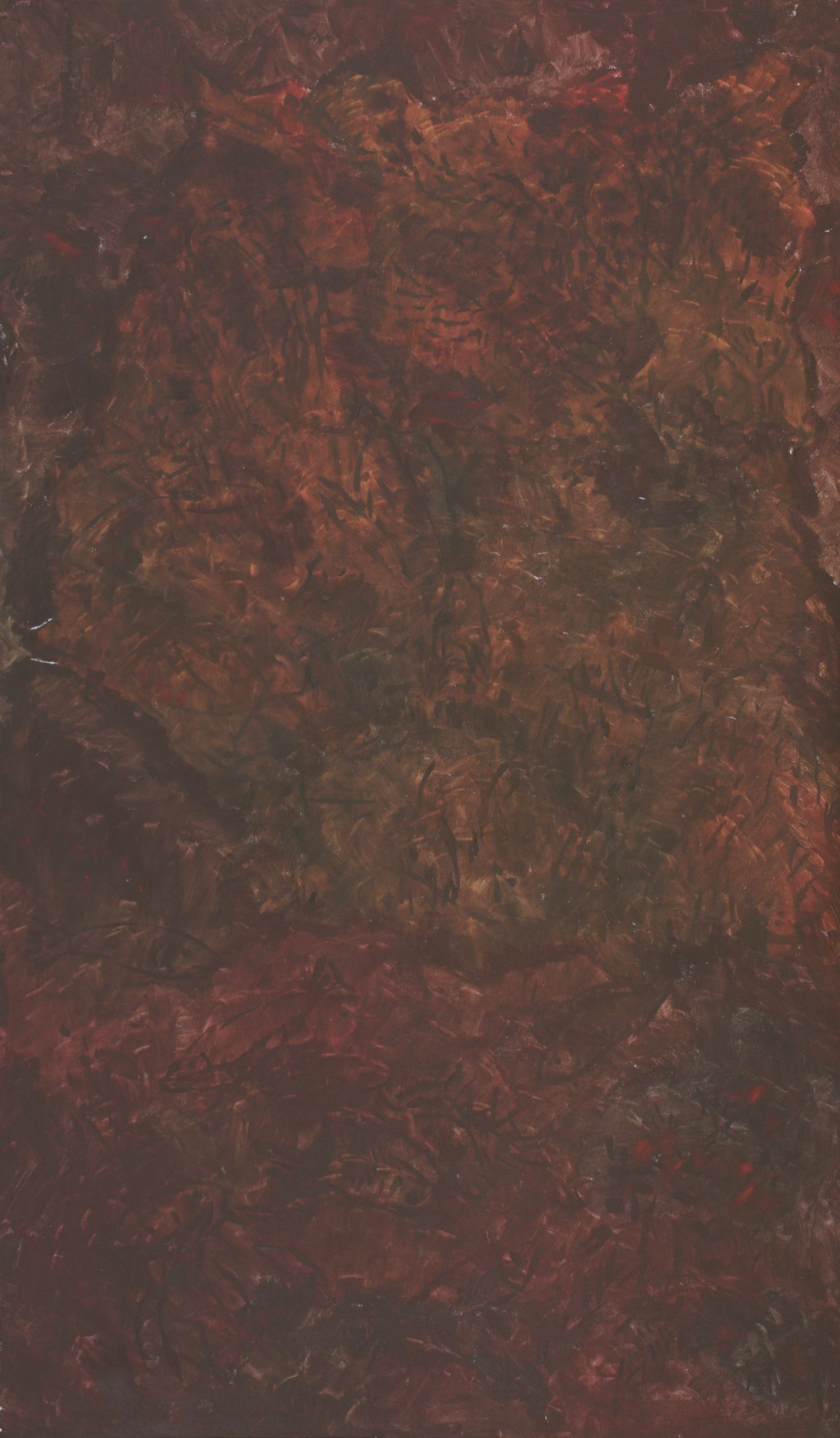
In 2009, Nada Žiljak exhibited paintings using infrared technology for the first time. In this way, she created a space hidden from the human eye: the upper layer is visible to the naked eye, while the lower layer can only be seen with an infrared camera. The image on the upper layer is abstract, with dispersed colours, while the lower layer consists of a drawing detected only with the help of the camera. Here we encounter figurative imagery and delicate drawings of intimate relationships. This very intimacy is “closed off” from everyday viewing and must be discovered with the help of an infrared camera. In this way, the artist invites us to interact and explore.
TASK: We will create two images on the same sheet of paper. Since we do not have an infrared camera, you will paint the front side of the paper, while the other side will contain a drawing connected to the image on the front. You can tell a story of your own. We will create the main image in acrylic paint, while the other will be an ink drawing. Everything will become clearer once we visit the exhibition.